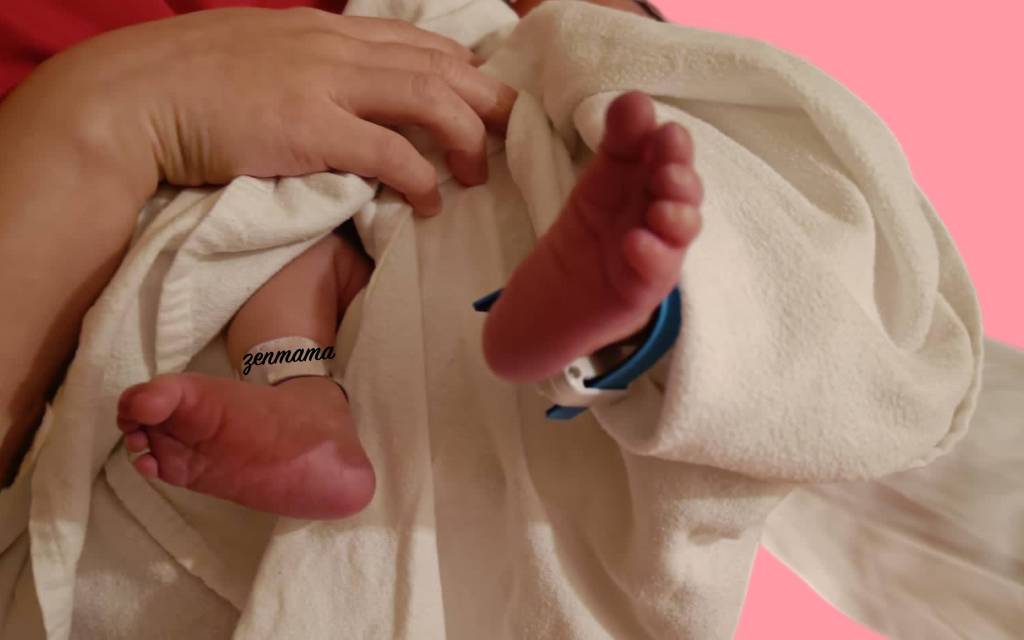
After the birth of my child, I embraced the traditional Chinese practice of postnatal confinement, also known as 坐月子 (zuò yuè zǐ), translated to English as the “sitting month”. The age-old custom is designed to help new mothers recover from the physical and emotional challenges of childbirth, while also taking the time to bond with their newborn. Despite the modern world we live in and being sceptical at first, it turned out to be a transformative experience and I’m glad I went through with it. I’m spilling the milk on what made my experience memorable, from knowing your options for hire during the month of postnatal confinement to embracing these practices.
Hiring a confinement nanny
Firstly, I had to decide on how I’d like to undergo my first month of postnatal solitude and recovery. There are a variety of options for postnatal confinement, such as hiring a live-in confinement nanny, whether through an agency or through word-of-mouth, booking a room in a postnatal confinement centre, or even having a family member help me out for a month.
Hiring a live-in confinement nanny through an agency
There are many postnatal confinement agencies to choose from in Singapore, and agencies were a great pick if I wanted a quick and fuss-free process. The agency would handle all the paperwork required and have the nanny ready by the due date. Although in some cases, I’ve read that the nannies hired were not as professional, didn’t know how to handle a newborn, or the personalities between the hirer and hiree didn’t match. In my opinion, hiring from an agency is indeed fuss-free, since the paperwork will be done for me, but it’s also based on luck–some had good experiences, while others, not so much.
My husband and I decided not to hire from an agency as the reviews varied and we didn’t want to go through a negative month after giving birth. We decided on going with a recommendation from our friends instead.
Hiring a live-in confinement nanny through word-of-mouth
The nanny stayed with us for over a month, where she not only prepared nourishing meals for the family and cared for our newborn, but she also helped with the housework and provided me with ample support to rest and recover. The downside was we had to handle all the paperwork from the work permit and insurance to booking her transport from her hometown to our place on our own, which was more to complete before the arrival of our little one!
We were lucky that our friends had positive experiences with their confinement nannies, and our nanny was available to help us. At the end of her tenure with us, we were sad to see her leave. That said, we enjoyed her company so much that we became fast friends and if our schedules permitted, we would meet up whenever she was back in town!
Staying in a postnatal confinement hotel
There are quite a few postnatal confinement centres in Singapore, but are pretty costly. As the saying goes, you get what you pay for – the centres come with an all-rounded service of meals, baby care, maternal care, postnatal massages, and more. Basically, it sounds like a great way to kick back, relax, and recover before the month is up, but at a huge cost.
Embracing the practices
The practices of the Chinese postnatal confinement stems from the belief that by keeping the body warm, it improves blood circulation, strengthens the joints, and possibly expedites the recovery process. During my month-long confinement, my nanny encouraged me to focus on healing my body and nurturing my baby. While it sounded great, the practices practised weren’t without its challenges. Here are some of the things I practised during this time.
Covering up in longs
Keeping warm after giving birth to prevent “wind” or anything cold from entering the body was the biggest part of the practice. During the month, I was dressed in longs from top to bottom and wore slippers around the house. It was also not advisable to sit by or under a fan, or have the windows opened to prevent any cool breeze from entering the body. However, my confinement nanny recommended switching on the air conditioning instead at about 24 degrees celsius.
This was particularly challenging since the weather in sunny Singapore is not only sunny, but also warm and humid. On top of that, my postnatal hormones went crazy and I had hot flashes for two weeks after birth – I wasn’t just in a warm and humid environment and sweating profusely, but I felt sticky and dirty. Also, switching on the air conditioning daily would burn a huge hole in our pockets. Hence, I would brace the warmth during mealtimes in our living room, and retreat into the bedroom where I could naughtily enjoy the comfort of the fan, or switch the air conditioning on when it got too warm.
Avoiding cold food and drink
On the note of keeping warm, I was also advised to avoid consuming anything cold, such as cold drinks and fruits. Any fruits eaten would have to be consumed at room temperature. Some food and drink may also be considered as 凉 (liáng), translated to English as cold, such as winter melon, mushrooms, and tomatoes are similarly not advisable to be consumed. It is believed that having too much “wind” or having cold air enter your body would prolong the recovery period.
Consuming ginger with everything
During the confinement month, our nanny cooked our food with copious amounts of ginger. Ginger is believed to aid in recovery, improving blood circulation which in turn helping the body feel warm and snug after consumption. My confinement nanny would prepare a warm alcoholic beverage with DOM Herbal Liqueur, a small dollop of honey, and ginger every alternate day of the week, and it was pretty good! I would have never imagined that I would enjoy food with so much ginger. It was all pretty tasty!
However, I had so much ginger that two weeks into confinement, I felt too warm and a bit ill. Hence, my nanny had to cut back on the ginger, which helped a ton.
Drinking red date tea
Speaking of drinks, for a whole month, drinking water was not allowed either. In its place, flasks of red date tea were brewed to drink. Drinking red date tea is believed to aid in blood circulation, boost immunity, and energy, and overall health.
Despite the health benefits, I felt a bit ill and suffered occasional headaches. I’m not sure if it was because of the red date tea, but after drinking water that my husband snuck in, I felt better.
Showering in ‘spice-water’
Consuming ginger was not the only way to keep the body warm. I had to shower in water infused with a cocktail of spices, and no surprises here, ginger was one of the ingredients! On top of showering in what I referred to as ‘spice-water’, it’s recommended to shower in the warmest time of the day; between 1pm to 4pm.
Showering in spice-water is an age-old belief, which was passed down through generations. It is believed that plain water is considered impure, and through boiling of herbs and spices in water would clear impurities. I personally don’t believe in showering in spice-water, but I went through with it anyway. I suppose, I have to count my blessings, since my confinement nanny allowed me to shower from the day I checked out from the hospital. In some cases, mothers aren’t allowed to shower until two weeks to a month after birth!
No household chores
The Chinese postnatal confinement month is all about resting and recovering from growing and birthing a little human in your body. Naturally, my nanny advised me not to do any household chores or pack the house, and to leave it to my husband. I teased that I had pins and needles stuck to my bottom and felt the need to stretch my limbs once and help my husband with the chores, as I did before pregnancy.
Not carrying my baby around the house
Speaking of not resting enough, the confinement nanny advised against carrying anything heavy and walking with it after giving birth as it may affect the uterus and prolong recovery. As such, she would always hand my child to me while I was seated and would remind me to take a seat before cradling him. Much to my nanny’s exasperation, I was scurrying around the house two weeks after getting a c-section. She had to consistently remind me that while I may feel better, I should be resting. She quipped that no one would think that I was lazy after giving birth, and urged me to rest instead.
Looking back, I regretted not listening to my nanny and resting more as my body ached terribly and I had to get an ancient Chinese massage, Tui-na, about three months after confinement. My nanny had warned me that if I didn’t get enough rest, my body would ache after confinement.
Booking a postnatal massage package
I bought the seven sessions Jamu postnatal massage package with Babies Bellies, which included the Jamu wrap and massage with the herbal ball. It was one of the best decisions I made during my confinement. There are a variety of postnatal massage styles to choose from, and personally, I prefer Balinese-like massages, hence the decision to go with Babies Bellies.
It is believed that postnatal massages can elevate one’s mood and may encourage hormonal balance, which worked well for me. After each session, I felt at ease and so relaxed that I could sleep! The Jamu wrap was used to wrap around my belly and helped to flatten out my postnatal pouch and bring my abdominal muscles that were stretched during pregnancy back together. The massage worked wonders for my body and I felt stronger and well-rested, but even then my postnatal pouch didn’t completely disappear.
Reflecting on my confinement journey
Looking back on my month of confinement, while some practices felt challenging or even questionable at first, I appreciate the wisdom behind this traditional practice of rest and recovery. The experience taught me that there’s no one-size-fits-all approach to postnatal care–it’s about finding what works for you while respecting traditional wisdom. I’m grateful for my nanny’s guidance and patience, even when I stubbornly ignored her advice about rest (and paid the price later!). Whether you choose to follow traditional confinement practices strictly or adapt them to your modern lifestyle, remember that this period is about healing, bonding with your baby, and giving yourself grace as you transition into motherhood. The most important thing is to listen to your body, accept support when offered, and focus on recovery at your own pace.
** This is my personal account on the Chinese postnatal confinement **
 zenmama
Leave a comment