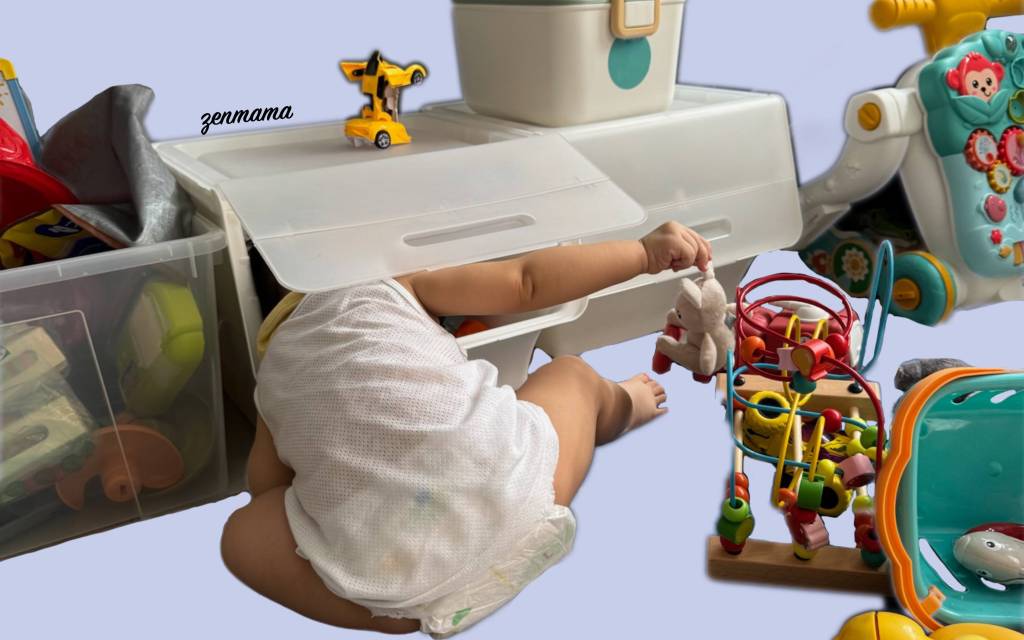
The transition from working in a corporate role to becoming a stay-at-home mama has been one of the biggest changes I’ve experienced thus far. Gone are the morning commutes and team meetings, replaced by morning cuddles and playtime sessions. While I was excited and thrilled to give my child a childhood filled with adventures, this shift has brought unexpected challenges. From adjusting to a new daily rhythm to redefining my sense of productivity, I have found myself struggling with my identity. In the process, I forgot who I was beyond being a mother, becoming drawn and miserable, and sometimes lashing out unnecessarily at my loved ones.
Through trial and error, laughter, and tears, I’ve discovered valuable lessons about embracing this new chapter of life. The journey has taught me that being a stay-at-home mama isn’t just about managing a household; it’s about creating meaningful experiences, finding your own groove, and learning to celebrate the small victories along the way.
Whether you’re contemplating this change or already navigating the stay-at-home motherhood-life, I’m sharing insights and practical tips from my journey to help make your transition smoother. From establishing daily routines to finding moments of self-care (yes, it’s possible!), let’s explore how to create a fulfilling life as a stay-at-home mama while staying true to yourself.
Managing your new financial landscape
Staying at home to care and nurture our little one was made possible by first understanding our financial landscape. Transitioning to a single-income household has been one of our biggest adjustments. We began by tracking our expenses, which helped us understand where our money was going and what we could realistically cut back on. Together, we created a detailed budget that accounted for essential expenses, savings, and, yes, a small “sanity fund” for occasional treats and activities. We have found creative ways to reduce costs without sacrificing quality of life; meal planning, exploring affordable community activities, and considering second-hand toys and books for our child. The key isn’t just cutting expenses but being intentional about our spending. We also made sure to set up an emergency fund specifically for unexpected expenses, which has helped ease the anxiety about living on a single income.
Setting clear household expectations
Financial planning isn’t the only item to practise, but also being open and communicating with my partner has become our secret weapon for maintaining household harmony. We sat down and had honest conversations about our expectations, such as who would handle which chores, how we’d care for our little one together, and when we should each give ourselves time away to rest.
While I have taken on the primary caregiver role, we agreed that evenings and weekends would be shared responsibilities. My partner steps up for morning routines on weekends so I can sleep in, and I make sure he has quiet time after work to decompress. We also check in with each other regularly to discuss what is working and what needs adjusting. This isn’t about creating rigid rules but rather building a flexible framework that acknowledges both our needs. We’ve learnt that parenting is a partnership, and just like collaborations, it takes patience, understanding, and a harmonious team to make it work.
There will be days where we disagree and get into heated arguments, but I have found it useful to keep calm and understand each other’s intentions and work together to create a peaceful environment for our child. Remember, being a stay-at-home mama doesn’t mean you’re on duty 24/7, it’s about finding a balance that works for your entire family.
Six stay-at-home mama survival tips
Accessing your finances or communicating with your partner are not the only tips to help make your transition smoother. Caring for your overall well-being and building a connection with your partner are equally important as well. Here are six tips and tricks that have helped me:
1) Find time for yourself:
I don’t just mean 15 minutes in the bathroom, with your child in the same house or room as you, or an hour of break while your child naps, but head out for an afternoon of pampering, or meet a friend for tea, or go for a walk. The key is to seek out an activity to give you a mental break from all the squeaking, crying, and struggles to understand what your tiny human requires. As a stay-at-home mama, I carve out at least once a week to head out on my own or meet friends. If I can’t head out, I spend an evening indulging in a facial while catching up on a show.
2) Plan dates with your partner:
Parenting is tough, and it’s also tough on the relationship between new parents. I recommend regularly heading out on dates with your partner, even if it’s just two hours dining out together and feasting on your favourite meal or attending a shared interest together. You might return home feeling refreshed and empowered to take on your screaming baby together.
My husband and I began going out on dates together at least once every week when our child was about 15 months old. Before then, we were mostly at odds with each other. But through dating and spending time together away from our child for a couple of hours each week has made us grow stronger as a couple, and we’re more patient to hear each other out.
3) Find your village/support system:
As the saying goes, “it takes a village to raise a child” — this is so true. The village helps care for your child when you’re overwhelmed and need a couple of hours to yourself. But remember, having a supportive village doesn’t mean that they’ll always be available to be at your beck and call. While they may be happy to help, they need a break too. I recommend being mindful of their needs and giving them advanced notice to help you out, as well as making a conscious effort for time away too. They will appreciate your thoughtfulness.
4) Don’t be afraid to ask for help:
Mum-guilt is real, especially when you’re away from your child, I get it. Personally, whenever I ask for help, I have a nagging worry that my child will be closer to someone else, but I’ve found that while my child enjoys their company, he still seeks me out at the end of the day. I suppose babies are smarter than we give them credit for and understand who their caregivers are through our daily interactions and care.
Asking for help is important, as it gives you a mental break from the screaming. You deserve the time away to care for your needs and well-being so that you can come home to be a pillar of support for your growing bundle of joy. I’ve learnt that it’s okay to ask for help, and there’s no shame in walking away for a few hours while someone trusted cares for your child.
5) Exercise:
Did you know that exercise releases happy endorphins and reduces stress? It’s a win-win solution for improving mental health! I understand that it’s quite difficult to find the time to exercise, but I recommend rolling your child out in a stroller for a 30-minute walk every day, which is something I’m still working on since my child prefers carriers to strollers. On warm days, you might want to consider a portable stroller fan that is attachable to the stroller.
6) Don’t give up on your interests:
Blocking out time for your interests is crucial in giving yourself that mental break from all the screaming. Also, it helps empower you to continue being you while learning to mum. This is so important, as I made the mistake of not blocking out time for myself for over a year, and when I found the time to finally work on my interests, I felt lost. I spent a lot of time encouraging myself to start and build momentum again.
Learnings from a stay-at-home mama
Transitioning to and thriving as a stay-at-home mama is a journey that requires patience, flexibility, and self-compassion. This transformative experience has equipped me with a diverse set of skills and personal growth, from enhancing my problem-solving abilities and time management skills to deepening my empathy and emotional intelligence.
Communicating with my child has improved my listening skills and taught me the value of clear and concise communication, while the constant changes and unexpected situations have made me more adaptable and resilient. Through careful planning, open communication with my partner, and establishing routines that work for our family, I have created a fulfilling life in this role. Being a stay-at-home mama has given me a stronger sense of purpose and identity, helping me find joy and meaning in everyday moments with my child.
While the challenges are real, so are the countless precious moments and opportunities for growth that come with it. I’ve learnt to maintain my identity beyond motherhood, nurture my support system, and prioritise self-care – these aren’t luxuries but necessities for long-term success. As I navigate this meaningful chapter of my life, I trust my instincts, adjust my approach as needed, and give myself grace. Through this experience, I have learnt to celebrate my strengths and discover new passions and interests, ultimately leading to a more fulfilling life as a mother and an individual. You’ve got this, mama! xx
 zenmama
Leave a comment